EXECUTIVE SUMMARY
Cryptocurrency is a form of digital or virtual currency that employs cryptographic methods to ensure security and operates on decentralized networks based on blockchain technology. Unlike traditional fiat currencies—cryptocurrencies do not rely on a central authority and instead facilitate peer-to-peer transactions globally. This white paper explores the concept of cryptocurrency, its underlying technology and its history and evolution. It highlights the current state of the cryptocurrency market, with a specific focus on the top ten cryptocurrencies by market capitalization as of January 15, 2025. Additionally, it discusses the broad implications of cryptocurrencies on the global financial system, regulatory challenges and potential future developments.
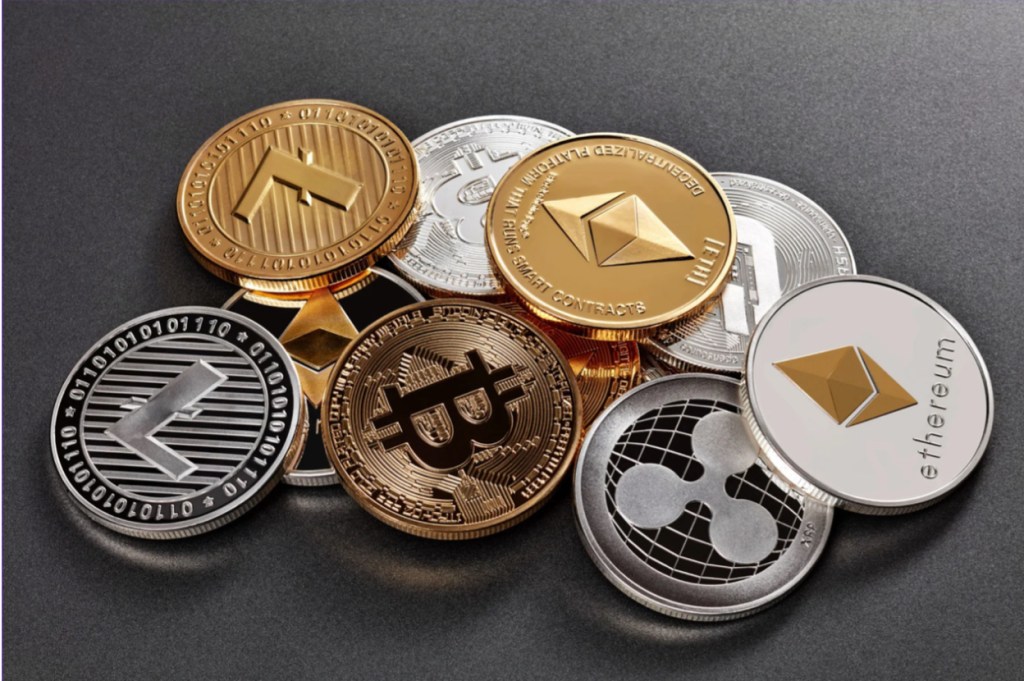
INTRODUCTION
Cryptocurrency represents a significant departure from traditional financial systems—enabling users to transfer and store value securely and transparently without relying on banks or central authorities. It uses cryptographic techniques to secure transactions and operate on decentralized networks, ensuring that no single entity has full control over the currency. This white paper delves into the nature of cryptocurrencies; the blockchain technology that underpins them and the history and evolution that led to their current prominence. Furthermore, it examines the present landscape of the cryptocurrency market—featuring the top cryptocurrencies by market capitalization and their potential impact on societal evolution.
WHAT IS CRYPTOCURRENCY?
Cryptocurrency is a digital or virtual asset designed to work as a medium of exchange. It uses cryptography to secure transactions and regulate the creation of new units. Unlike traditional fiat currencies—cryptocurrencies are decentralized and typically operate on a blockchain which is a distributed ledger that records transactions across multiple computers.
Key characteristics of cryptocurrencies include:
Decentralization: Most cryptocurrencies operate on decentralized networks—meaning no single entity has control over the entire system. This is typically achieved through the use of blockchain technology, which ensures transparency and security.
Blockchain Technology: Cryptocurrencies rely on blockchain technology, a distributed ledger that records transactions in a secure and transparent manner. Each transaction is added to a “block,” which is then linked to the previous block, forming a chain of blocks that cannot be altered without consensus from the network.
Cryptography: Advanced cryptographic techniques secure transactions and control the creation of new blocks and crypto units. This makes cryptocurrencies resistant to fraud and counterfeiting.
Digital Nature: Cryptocurrencies exist only in digital form and have no physical counterparts like traditional currencies. They are typically stored in hot and cold digital wallets, which are secured by private keys.

HISTORY AND EVOLUTION OF CRYPTOCURRENCY
The concept of cryptocurrency began with the inception of Bitcoin in 2008 by an anonymous individual or group under the pseudonym Satoshi Nakamoto. Nakamoto published a white paper titled “Bitcoin: A Peer-to-Peer Electronic Cash System,” which proposed a decentralized digital currency system based on blockchain technology. The Bitcoin network was officially launched in January 2009, marking the first successful implementation of a cryptocurrency.
Bitcoin’s creation was a response to the global financial crisis of 2008, during which many people lost trust in centralized financial institutions. Nakamoto’s vision was to provide an alternative form of money that was independent of governments and financial intermediaries. Bitcoin introduced blockchain technology, a decentralized and transparent ledger that records transactions, which provided a novel way to secure and verify transactions in a peer-to-peer manner.
Bitcoin’s early years saw slow adoption, with the currency mainly being used by a niche group of cryptography enthusiasts and libertarians. However, its price began to rise in the early 2010s, attracting more attention from investors and the media. In 2013, Bitcoin reached the $1,000 mark for the first time, signaling its growing popularity.
In the years following Bitcoin’s launch, several other cryptocurrencies emerged, each with its unique features and use cases. Litecoin, created in 2011 by Charlie Lee, was one of the first altcoins (alternative cryptocurrencies to Bitcoin). It sought to improve upon Bitcoin by offering faster transaction times and a different hashing algorithm.
Ethereum, launched in 2015 by Vitalik Buterin and others, introduced a groundbreaking innovation: smart contracts. These self-executing contracts allowed developers to build decentralized applications (dApps) on the Ethereum blockchain, broadening the scope of blockchain technology beyond simple digital currency transactions.
The rise of altcoins, coupled with advancements in blockchain technology, led to the emergence of thousands of cryptocurrencies in the following years. Cryptocurrencies such as Ripple (XRP), Cardano (ADA), and Solana (SOL) gained traction due to their unique features and applications in sectors like finance, supply chain management and digital identity.
As cryptocurrencies gained popularity, so did the scrutiny and regulation of the sector. Governments and financial authorities worldwide began to explore the implications of digital currencies on their economies. While some countries embraced cryptocurrency—others imposed strict regulations or outright bans on its use.
Despite regulatory challenges and market volatility—cryptocurrencies have grown in value and importance with Bitcoin and Ethereum leading the way. The advent of decentralized finance (DeFi), non-fungible tokens (NFTs) and the rise of central bank digital currencies (CBDCs), signal that cryptocurrencies and blockchain technology are becoming an integral part of the global financial ecosystem.
CURRENT STATE OF THE CRYPTOCURRENCY MARKET
- Bitcoin (BTC)
- Market Cap: Approximately $1.97 trillion
- Price: Around $99,359 per BTC
- Ethereum (ETH)
- Market Cap: Approximately $402.3 billion
- Price: Around $3,339 per ETH
- XRP (XRP)
- Market Cap: Approximately $171.16 billion
- Price: Around $2.98 per XRP
- Tether (USDT)
- Market Cap: Approximately $137.26 billion
- Price: $1.00 per USDT (stablecoin pegged to USD)
- BNB (BNB)
- Market Cap: Approximately $101.5 billion
- Price: Around $704.85 per BNB
- Solana (SOL)
- Market Cap: Approximately $95.59 billion
- Price: Around $197.28 per SOL
- Dogecoin (DOGE)
- Market Cap: Approximately $55.22 billion
- Price: Around $0.37 per DOGE
- USD Coin (USDC)
- Market Cap: Approximately $45.81 billion
- Price: $1.00 per USDC (stablecoin pegged to USD)
- Cardano (ADA)
- Market Cap: Approximately $37.50 billion
- Price: Around $1.07 per ADA
- TRON (TRX)
- Market Cap: Approximately $19.97 billion
- Price: Around $0.23 per TRX
Note: Cryptocurrency markets are highly volatile and market capitalizations and prices may fluctuate significantly over short periods. Top ten data from https://www.slickcharts.com/currency and https://coinmarketcap.com/

IMPLICATIONS AND USE CASES OF CRYPTOCURRENCY
Cryptocurrency has the potential to revolutionize not just financial systems, as it introduces innovative ways to store, transfer, and secure value. The decentralized nature of cryptocurrencies offers distinct advantages over traditional financial systems and it also raises a host of new questions and challenges—particularly in areas such as financial inclusion, regulatory oversight, security and market dynamics.
Financial Inclusion and Empowerment
One of the most promising implications of cryptocurrency is its ability to promote financial inclusion—especially in developing regions where traditional banking services are limited or inaccessible. According to the World Bank in 2021, more than 1.7 billion people worldwide are unbanked, with many lacking the necessary infrastructure, documentation or credit history to access conventional banking services. Cryptocurrencies enable individuals to bypass these barriers—providing a secure and affordable means of accessing financial services.
Through mobile wallets and blockchain technology—people in remote areas can store value, transfer money and even participate in investment opportunities without needing a bank account. Cryptocurrencies like Bitcoin and stablecoins like Tether (USDT) can facilitate cross-border payments—making it easier for individuals to send remittances without relying on expensive, traditional money transfer services. For example, people in countries with hyperinflation, such as Venezuela, have turned to cryptocurrencies as a store of value that is less vulnerable to inflation than their local currencies.
Decentralized Finance (DeFi)
Decentralized Finance (DeFi) is one of the most exciting use cases for cryptocurrencies, providing decentralized alternatives to traditional financial services such as lending, borrowing, insurance and asset management. Built primarily on the Ethereum blockchain, DeFi platforms allow users to access financial services without relying on banks or other intermediaries.
For instance, users can lend their cryptocurrency to others and earn interest or borrow digital assets by putting up collateral. These services are powered by smart contracts, which are self-executing agreements that automatically enforce the terms of a transaction without the need for a middleman. This dramatically reduces transaction costs and makes financial services more accessible, transparent and efficient.
DeFi platforms have rapidly expanded to include decentralized exchanges (DEXs), decentralized autonomous organizations (DAOs) and synthetic assets that mirror the performance of real-world assets like stocks, commodities or real estate. This sector has been growing at an exponential rate, offering a glimpse into a future where traditional financial institutions may become less relevant for certain types of transactions and financial services.
Cross-Border Payments and Remittances
Cryptocurrencies offer a more efficient and cost-effective solution for cross-border payments— which is particularly beneficial for remittances. Traditional methods of sending money across borders often involve significant fees and long processing times. Cryptocurrencies eliminate many of these barriers by enabling faster and cheaper transactions.
For example, Bitcoin and stablecoins like USDC can be transferred across borders within minutes, with much lower transaction fees than traditional wire transfers. This is particularly valuable for migrant workers who rely on sending money back to their families in their home countries. In fact, it is estimated that billions of dollars in remittances are sent globally each year, and cryptocurrency adoption can significantly reduce the costs associated with these transfers.
Additionally, blockchain technology allows for greater transparency and security in cross-border transactions, reducing the risk of fraud and providing individuals with more control over their funds. As cryptocurrencies become more widely accepted, we can expect an increase in international commerce and trade, especially for smaller businesses that may not have access to traditional banking infrastructure.
Supply Chain Management and Transparency
Blockchain technology, the backbone of cryptocurrencies, has applications beyond financial transactions. Its decentralized and immutable nature makes it ideal for ensuring transparency and traceability in supply chains. Companies in industries such as food, pharmaceuticals, and retail are increasingly adopting blockchain to track the movement of goods from production to delivery.
For example, by using blockchain—companies can verify the authenticity of products; reduce the risk of fraud and ensure that products are ethically sourced. This is particularly important in industries like diamonds, where blockchain can confirm the provenance of goods to ensure they are conflict-free. Furthermore, by providing real-time tracking of goods, blockchain can help businesses optimize their inventory and reduce waste.
The transparency offered by blockchain also helps build consumer trust. Consumers can verify the entire lifecycle of a product, from raw materials to the point of sale—ensuring that it meets certain standards or ethical guidelines. This use case has the potential to enhance consumer satisfaction and foster greater corporate responsibility.
Supply Chain Management and Transparency
Cryptocurrencies and blockchain technology can also have profound implications for digital identity and data privacy. In a world where personal information is increasingly at risk of being exposed or stolen, blockchain provides an opportunity for individuals to control their own data.
Self-sovereign identity (SSI) is a concept that uses blockchain to enable individuals to own and control their digital identities, eliminating the need for centralized authorities such as governments or corporations to validate or store personal information. SSI systems are based on cryptographic proofs, which allow users to securely verify their identity without sharing sensitive data. This has the potential to reduce identity theft, fraud, and privacy violations while giving individuals more autonomy over their personal information.
In the realm of healthcare, for instance, patients could securely share their medical records with doctors or institutions without relying on centralized databases that are vulnerable to hacks. This not only protects sensitive information but also reduces administrative costs associated with storing and sharing data.
Tokenization and Ownership of Assets
Cryptocurrencies have also introduced the concept of tokenization, which allows real-world assets such as real estate, art and even intellectual property to be represented and traded as digital tokens on blockchain platforms. These tokens can represent fractional ownership of an asset—making it easier for investors to gain exposure to high-value assets that would otherwise be out of their reach.
For example, fractional ownership of real estate through tokenization enables multiple investors to own a portion of a property and share in the rental income or capital appreciation. This democratizes access to real estate investment and allows for greater liquidity in asset classes that are typically illiquid.
In the art world, tokenization has led to the rise of non-fungible tokens (NFTs), which allow digital ownership of unique art pieces or collectibles. NFTs have revolutionized the way artists, musicians, and other creators monetize their work by providing a direct link between creators and consumers. By leveraging blockchain’s immutability, NFTs ensure that the provenance and ownership of digital art are transparent and secure, making the art market more accessible and efficient.
Environmental Impact and Sustainability
While cryptocurrencies offer many advantages, their environmental impact has raised significant concerns, particularly regarding energy-intensive mining operations. Proof-of-work (PoW) systems, such as Bitcoin—require vast amounts of computational power, which translates into high electricity consumption. This has led to criticisms about the carbon footprint associated with cryptocurrency mining.
In response, many cryptocurrencies are transitioning to more energy-efficient consensus mechanisms, such as proof-of-stake (PoS), which significantly reduces energy consumption. Ethereum’s shift from PoW to PoS in 2022 is a prominent example of this trend. PoS systems rely on validators who are selected to validate transactions based on the amount of cryptocurrency they hold and are willing to “stake” as collateral, rather than the computational power required by PoW systems.
As the industry continues to evolve, it is likely that the environmental impact of cryptocurrencies will become less of a concern, particularly as renewable energy sources become more integrated into mining operations and more sustainable consensus mechanisms are developed.

CONCLUSION
Cryptocurrency has emerged as a transformative force in the global financial system—offering decentralized, transparent and secure methods of transferring value without relying on traditional intermediaries. The rise of blockchain technology has expanded the possibilities of cryptocurrencies—enabling innovations like decentralized finance (DeFi) and non-fungible tokens (NFTs). These crypto innovations are reshaping the way people engage with finance and digital assets. However, challenges such as market volatility, regulatory uncertainty and environmental concerns remain significant obstacles to mainstream adoption. While some governments have embraced cryptocurrencies, others are grappling with regulatory frameworks, creating uncertainty in the market.
Despite these challenges, cryptocurrencies continue to grow in influence, with Bitcoin, Ethereum, and other altcoins leading the way. As regulatory clarity improves, more energy-efficient consensus mechanisms are developed and new use cases emerge. The ongoing development of central bank digital currencies (CBDCs) also suggests that the line between traditional fiat currencies and cryptocurrencies is likely to blur—paving the way for greater mainstream adoption. Cryptocurrencies have great potential to play an increasingly integral role in the global economy. As the space matures, cryptocurrencies could revolutionize the financial system—offering new opportunities for financial inclusion and global economic participation.
LEGAL DISCLAIMER
The information provided above is for informational purposes only and does not constitute financial, investment, or legal advice. The predictions and opinions shared are based on publicly available statements and insights from individuals in the Bitcoin and cryptocurrency space and are not guarantees of future performance. Cryptocurrency investments involve significant risks, including market volatility, regulatory changes, and the potential loss of principal.
Always conduct your own research and consult with a qualified financial advisor or legal professional before making any investment decisions. The inclusion of specific predictions or influencers does not imply endorsement or verification of their views, strategies, or affiliations. Past performance and speculative forecasts are not indicative of future results.