EXECUTIVE SUMMARY
This white paper provides an overview of best practices for setting up and securely storing Bitcoin. With the rise of digital currencies—the security of cryptocurrencies is critical for ensuring the safety of users’ assets. This paper explores the fundamentals of Bitcoin wallet setup, storage types and the steps individuals should take to safeguard their private keys and funds.

INTRODUCTION
Bitcoin, a decentralized digital currency, has revolutionized financial transactions. However, its decentralized nature also means that users are responsible for managing the security of their assets. This white paper will discuss the importance of securely setting up Bitcoin wallets and adopting best storage practices to protect against theft, loss and unauthorized access.
UNDERSTANDING BITCOIN WALLETS
A Bitcoin wallet is a software program or hardware device that allows users to store and manage their Bitcoin. Unlike traditional wallets—Bitcoin wallets store public and private keys that are essential for accessing and transferring the cryptocurrency. This section will explore the types of Bitcoin wallets, their functionalities and their respective advantages and disadvantages.
Types of Bitcoin Wallets
Bitcoin wallets come in various forms, including software wallets, hardware wallets, and custodial wallets. Each type has different levels of security, accessibility and control over funds. The choice of wallet depends on the user’s needs, including frequency of transactions and long-term storage requirements.
Functions of a Bitcoin Wallet
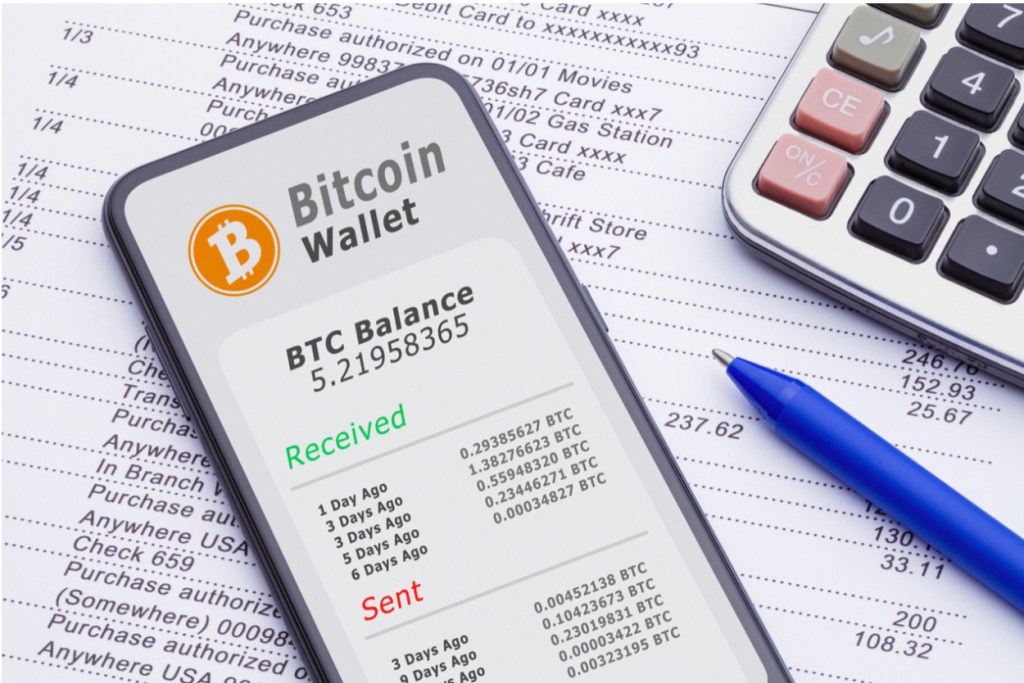
A Bitcoin wallet serves multiple functions. It generates and stores private keys; interacts with the Bitcoin network for sending and receiving transactions and keeps track of the user’s Bitcoin balance. Ensuring the wallet’s integrity and protection from unauthorized access is crucial for safeguarding assets.
SETTING UP A BITCOIN WALLET
Proper wallet setup is the first step in securing Bitcoin assets. This section will guide users through the essential steps of creating a Bitcoin wallet, including selecting the right wallet, securing private keys and understanding the backup process.
Choosing a Wallet
Selecting the right Bitcoin wallet depends on factors such as security, user experience and the amount of Bitcoin being stored. Factors such as the wallet’s ease of use, reputation and security features (e.g., two-factor authentication) should be considered when making a selection.
Creating and Securing Private Keys
Private keys are the cornerstone of a Bitcoin wallet. The security of the private key determines the safety of the Bitcoin stored in the wallet. Users should generate and store private keys offline in a secure manner to prevent them from being compromised by online threats.
Backing Up the Wallet
Backing up the wallet ensures that users can recover their Bitcoin in case of device failure or theft. Wallets often provide seed phrases that must be stored securely offline. Backup strategies and recovery processes should be understood and regularly tested.
COLD STORAGE VS. HOT STORAGE
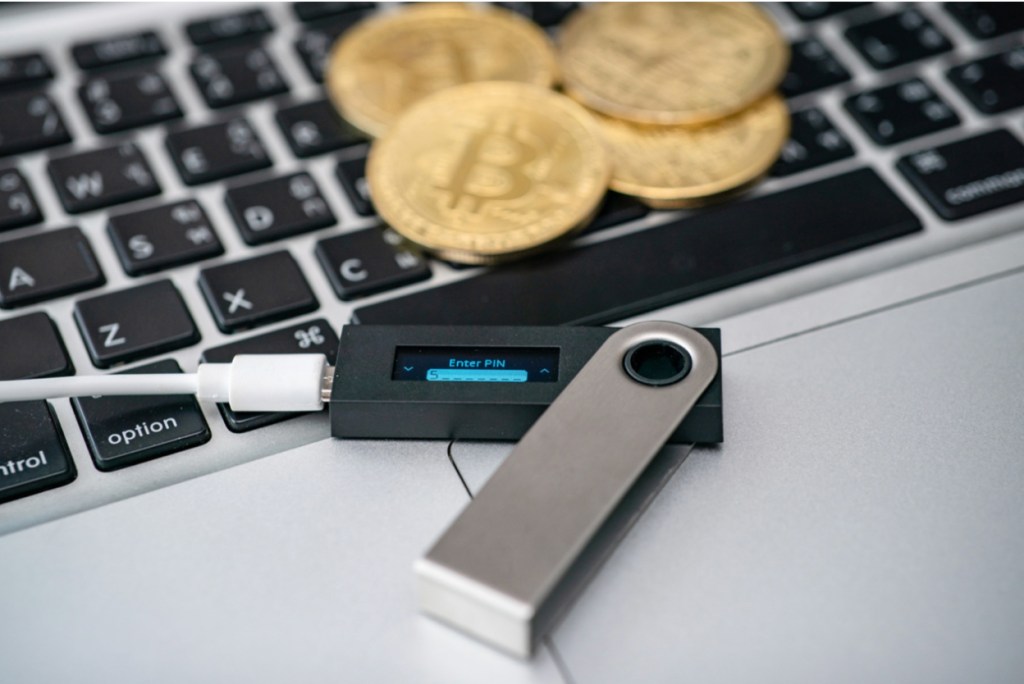
Cold storage refers to the practice of storing Bitcoin offline—making it less vulnerable to online hacking attempts. In contrast, hot storage keeps Bitcoin connected to the internet—making it more convenient but riskier. Understanding the balance between convenience and security is essential for users.
Cold Storage
Cold storage is a method of storing Bitcoin offline, which primarily involves using hardware wallets. Cold storage offers the highest level of security as it is not susceptible to online threats such as hacking or malware. This storage method is ideal for long-term storage and large amounts of Bitcoin that do not require frequent access.
Advantages:
- Extremely secure against online threats.
- Suitable for large holdings or long-term investments.
Disadvantages:
- Less convenient for frequent transactions.
- Requires careful physical storage to prevent loss or damage.
Hot Storage
Hot storage refers to keeping Bitcoin in a wallet connected to the internet—such as a mobile wallet, desktop wallet or exchange wallet. This method allows for faster access to funds and is suitable for smaller amounts of Bitcoin that require regular transactions. However, it carries a higher risk as online wallets are exposed to potential security breaches—including hacking, phishing attacks, data breaches and other malicious activities.
Advantages:
- Convenient and user-friendly.
- Ideal for day-to-day transactions.
Disadvantages:
- More vulnerable to hacking and malware attacks.
- Requires constant vigilance to maintain security.
SECURITY RISKS AND HOW TO MITIGATE THEM
Bitcoin wallets are targets for various security threats, including hacking, phishing and physical theft. This section highlights common security risks and the measures users can take to minimize these threats and ensure the safety of their Bitcoin.
Protecting Against Phishing Attacks
Phishing attacks involve tricking users into revealing their private keys or login credentials. Users should be cautious of unsolicited messages and avoid clicking on unknown links. Moreover, individuals should always verify the authenticity of websites or emails before entering sensitive information.
Ensuring Physical Security of Hardware Wallets
While hardware wallets offer a high level of security—they must be physically protected from theft or damage. Some individuals choose to store their hardware wallets in a home safe and/or their Bank’s personal security boxes.
Recognizing and Avoiding Malware
Malware, such as keyloggers and trojans, can infect devices and capture private keys. Regular software updates, using antivirus software and avoiding suspicious downloads are critical for mitigating malware risks.
TOP 5 BITCOIN WALLETS FOR COLD STORAGE
Cold storage wallets are offline and prioritize security for long-term holdings. Below are the top 5 wallets for cold storage:
- Ledger Nano X
- Type: Hardware Wallet
- Features: Bluetooth support, secure offline storage, supports over 5,500 cryptocurrencies via the Ledger Live app.
- Trezor Model T
- Type: Hardware Wallet
- Features: Touchscreen interface, supports multiple cryptocurrencies, integrates with various third-party wallets.
- Coldcard Wallet
- Type: Hardware Wallet
- Features: Bitcoin-only wallet, air-gapped functionality, highly secure PIN-protected device.
- BitBox02
- Type: Hardware Wallet
- Features: Compact and simple, Bitcoin-only or multi-coin options, integrates with software wallets.
- Ellipal Titan
- Type: Hardware Wallet
- Features: Air-gapped design, QR-code-based communication, resistant to physical tampering.
TOP 5 BITCOIN WALLETS FOR HOT STORAGE
Hot storage wallets are connected to the internet and designed for accessibility and frequent transactions. Below are the top 5 wallets for hot storage:
- Exodus Wallet
- Type: Mobile/Desktop Wallet
- Features: User-friendly interface, multi-currency support, built-in exchange features.
- Trust Wallet
- Type: Mobile Wallet
- Features: Decentralized wallet, supports a wide range of cryptocurrencies, staking options.
- BlueWallet
- Type: Mobile Wallet
- Features: Simple interface, Lightning Network support, optional cold storage Vault.
- Electrum Wallet
- Type: Desktop/Mobile Wallet
- Features: Lightweight and fast, advanced features like multi-signature and hardware wallet integration.
- Atomic Wallet
- Type: Mobile/Desktop Wallet
- Features: Multi-currency support, built-in exchange and staking, user-friendly design.
BEST PRACTICES TO CONSIDER
Selecting the right wallet involves evaluating your needs based on frequency of use, security requirements, ease of use, and privacy concerns. For frequent transactions, hot wallets like Trust Wallet or Exodus are excellent choices, while cold wallets like Ledger Nano X or Trezor Model T are better for long-term storage and enhanced security. For advanced privacy features, wallets like Wasabi Wallet should be considered. A balanced approach combining hot and cold storage is often the best strategy for diverse Bitcoin needs.
- Backup Your Wallet:
- Always save your recovery phrase or seed phrase in a secure offline location.
- Consider storing multiple copies in different locations to prevent loss.
- Protect Your Private Keys:
- Never share your private keys or recovery phrase with anyone.
- Avoid storing sensitive information on cloud services or devices connected to the internet.
- Use Two-Factor Authentication (2FA):
- Enable 2FA for wallets that support it to add an extra layer of security.
- Keep Software Updated:
- Regularly update your wallet software to ensure you have the latest security patches.
- Diversify Storage:
- Use a combination of hot and cold storage based on your needs. For example, keep a small amount in hot storage for transactions and the majority in cold storage for long-term security.
CONCLUSION
Securing Bitcoin through proper wallet setup and storage is essential for protecting assets from unauthorized access and theft. The two primary storage options, hot and cold storage, each offer distinct advantages and trade-offs between convenience and security. Cold storage provides the highest level of protection by keeping assets offline, making them less vulnerable to hacking, but it comes with less flexibility for quick access. In contrast, hot storage offers easy access to funds but exposes users to online risks, making it more suitable for day-to-day transactions rather than long-term holdings.
As Bitcoin continues to grow in popularity and value, the importance of adopting robust security measures cannot be overstated. By understanding the differences between storage types, using multi-signature wallets, and following best practices for securing private keys and backups, users can significantly reduce the risk of losing their Bitcoin assets. Security should be viewed as an ongoing process—users must stay vigilant, update security practices as needed, and regularly test recovery options.
The cryptocurrency ecosystem is continuously evolving, and with it, the sophistication of security threats. Staying informed about emerging risks and adopting new security protocols will be vital for ensuring the safety of Bitcoin holdings in the long term. Ultimately, the responsibility for securing digital assets lies with the individual user, and proper storage and security practices are the key to safeguarding their investment in Bitcoin.
LEGAL DISCLAIMER
The information provided above is for informational purposes only and does not constitute financial, investment, or legal advice. The predictions and opinions shared are based on publicly available statements and insights from individuals in the Bitcoin and cryptocurrency space and are not guarantees of future performance. Cryptocurrency investments involve significant risks, including market volatility, regulatory changes, and the potential loss of principal.
Always conduct your own research and consult with a qualified financial advisor or legal professional before making any investment decisions. The inclusion of specific predictions or influencers does not imply endorsement or verification of their views, strategies, or affiliations. Past performance and speculative forecasts are not indicative of future results.