EXECUTIVE SUMMARY
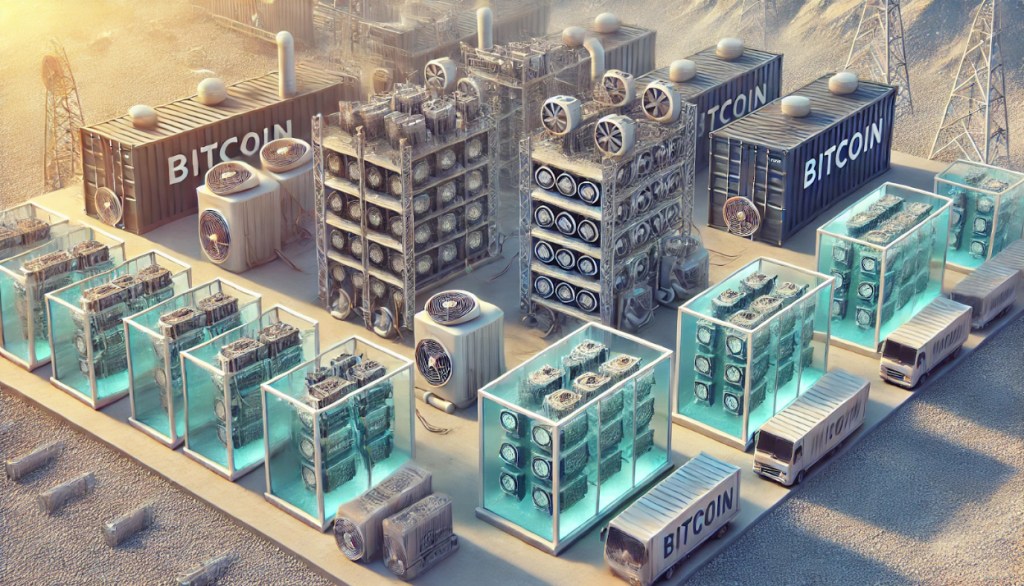
Bitcoin mining is a critical process in maintaining and securing the Bitcoin network, ensuring transactions are verified and added to the blockchain. Various mining methods exist, each with distinct advantages and drawbacks. This white paper explores the most common types of Bitcoin mining, including containerized mining, immersion cooling, air-cooled mining, hydro-cooled mining, flare gas mining, solar-powered mining, hydro power mining, coal power mining and nuclear power mining. A balanced assessment of their economic viability, environmental impact and scalability is provided to aid prospective miners in making informed decisions.
INTRODUCTION
Bitcoin mining involves solving complex cryptographic puzzles to validate transactions and secure the network. Miners are rewarded with newly minted bitcoins and transaction fees. However, different approaches to mining yield varying degrees of profitability, decentralization and environmental concerns. Understanding these variations is essential for individuals and enterprises considering entry into the mining sector.
COMPARISON CHART OF MINING METHODS
| Mining Type | Initial Investment | Energy Efficiency | Environmental Impact | Scalability | Cooling Method | Mobility |
| Containerized | High | Moderate | Moderate | High | Air/Hybrid | High |
| Immersion Cooling | High | High | Low | High | Liquid | Low |
| Air-Cooled | Low | Low | High | High | Air | Moderate |
| Hydro-Cooled | High | High | Moderate | Moderate | Water | Low |
| Flare Gas | Moderate | High | Low | Limited | Gas powered | High |
| Solar Powered | High | High | Very Low | Moderate | Solar | Low |
| Hydro Power | High | High | Low | High | Water | Low |
| Coal Power | Low | Low | High | High | Air | Moderate |
| Nuclear Power | High | Very High | Low | High | Water | Low |
CONTAINERIZED MINING
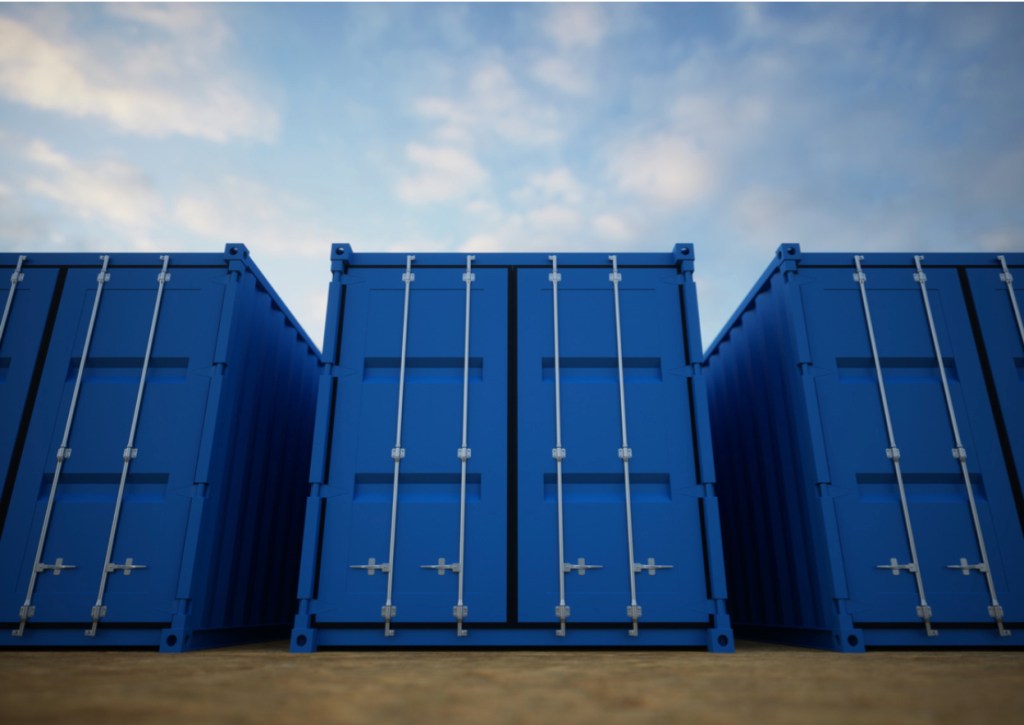
Containerized mining involves deploying mining equipment in prefabricated shipping containers, allowing for modular and scalable operations. This method is commonly used by industrial-scale miners looking for mobility and quick deployment.
Pros:
- High mobility and ease of deployment in different geographic locations.
- Efficient use of space, optimizing hardware density.
- Enhanced cooling solutions compared to traditional air-cooled setups.
Cons:
- Requires specialized infrastructure for power and networking.
- Higher upfront investment compared to traditional warehouse setups.
- Potential overheating issues if not properly ventilated.
IMMERSION COOLING MINING
Immersion cooling involves submerging mining hardware in a dielectric liquid to improve thermal management and efficiency. This method is favored for its ability to significantly reduce overheating and hardware failure.
Pros:
- Superior cooling efficiency, reducing hardware failure rates.
- Increased mining hardware lifespan due to stable operating temperatures.
- Lower noise levels compared to air-cooled mining.
Cons:
- High initial investment in immersion cooling infrastructure.
- Requires specialized knowledge for maintenance and setup.
- Potential risk of liquid leakage or material compatibility issues.
AIR-COOLED MINING
Air-cooled mining is the most traditional method—using fans and airflow to manage heat dissipation in mining operations. It is the most common approach due to its simplicity and cost-effectiveness.
Pros:
- Lower initial investment compared to other cooling methods.
- Easier to implement and maintain without specialized equipment.
- Widely available components for setup and repairs.
Cons:
- Less efficient cooling can lead to higher hardware failure rates.
- Increased noise pollution due to constant fan operation.
- Higher electricity consumption for cooling purposes.
HYDRO-COOLED MINING
Hydro-cooled mining utilizes water-based cooling systems to maintain optimal hardware temperatures. This technique is used by advanced mining operations that prioritize energy efficiency and hardware longevity.
Pros:
- Highly efficient at dissipating heat—improving performance.
- Reduced reliance on external cooling solutions, lowering energy costs.
- Prolongs hardware lifespan due to stable temperatures.
Cons:
- Requires significant infrastructure and water resources.
- Higher initial setup costs and complexity.
- Potential environmental concerns regarding water usage.
FLARE GAS MINING
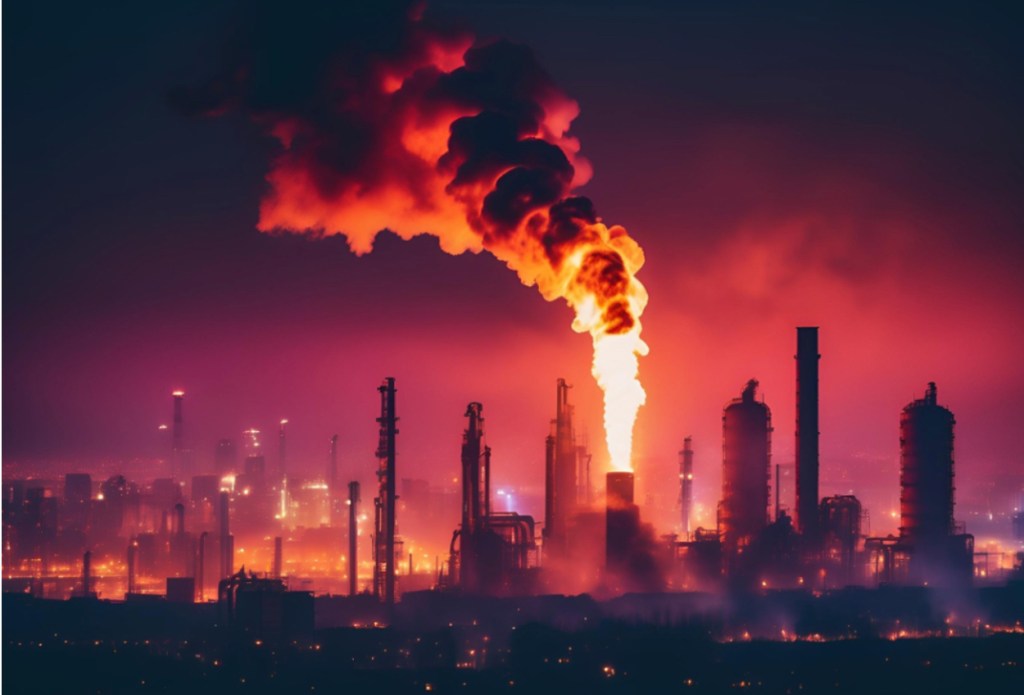
Flare gas mining repurposes natural gas that would otherwise be burned off as waste to power mining operations. It is particularly useful in remote oil and gas extraction sites where flaring is a common practice.
Pros:
- Reduces environmental waste by utilizing excess natural gas.
- Can be deployed in remote locations where gas flaring occurs.
- Lowers operational costs due to inexpensive energy sources.
Cons:
- Limited scalability depending on gas supply.
- Requires infrastructure to convert gas into usable energy.
- Regulatory challenges may arise in some jurisdictions.
SOLAR-POWERED MINING
Solar-powered mining utilizes solar energy to run mining hardware—reducing reliance on traditional electricity sources. This method is gaining popularity due to its sustainability and potential cost savings in regions with high solar exposure.
Pros:
- Environmentally sustainable and reduces carbon footprint.
- Lowers electricity costs in regions with abundant sunlight.
- Can be combined with battery storage for continuous operation.
Cons:
- High initial investment in solar panels and infrastructure.
- Dependent on weather conditions and daylight hours.
- Requires large land area for solar farm deployment.
HYDRO POWER MINING
Hydro power mining leverages hydroelectric dams and water flow to generate electricity for mining operations. This method is often considered one of the most sustainable approaches due to its reliance on renewable energy.
Pros:
- Renewable and sustainable energy source.
- High energy efficiency with consistent power availability.
- Low long-term operational costs.
Cons:
- High initial infrastructure and location-dependent.
- Potential environmental impact on aquatic ecosystems.
- Requires regulatory approvals in certain regions.
COAL POWER MINING
Coal power mining utilizes electricity generated from coal-burning power plants, a traditional but controversial energy source due to its high carbon footprint.
Pros:
- Readily available and widely used energy source.
- Lower initial investment for infrastructure.
- Scalable for large mining operations.
Cons:
- High environmental impact due to CO2 emissions.
- Increasing regulations against coal-powered operations.
- Higher energy costs in the long term as renewable energy gains traction.
NUCLEAR POWER MINING
Nuclear power mining uses electricity generated from nuclear reactors, providing a stable and high-efficiency energy source with minimal carbon emissions.
Pros:
- Extremely high energy output and efficiency.
- Low environmental impact compared to fossil fuels.
- Long-term energy sustainability with minimal fluctuations.
Cons:
- High initial infrastructure and regulatory requirements.
- Public concerns about nuclear safety and waste management.
- Limited locations where nuclear energy is accessible for mining operations.
CONCLUSION
Each Bitcoin mining method has distinct trade-offs. Containerized mining offers mobility and scalability but requires significant infrastructure investment. Immersion cooling improves hardware longevity and efficiency but demands a higher initial cost and technical expertise. Air-cooled mining remains the simplest and most cost-effective but suffers from lower cooling efficiency and higher maintenance costs. Hydro-cooled mining is highly efficient but demands significant water resources. Flare gas mining repurposes waste energy but is limited by availability and regulatory constraints. Solar-powered mining provides a renewable solution but requires high initial investment and land use. Hydro power mining offers a clean and renewable option but is location-dependent. Coal power mining remains cost-effective but faces increasing regulatory and environmental challenges. Nuclear power mining is highly efficient but has high startup costs and public safety concerns. Prospective miners should carefully evaluate these factors to select the most suitable approach based on their financial resources, risk tolerance, and strategic goals.
REFERENCES
Antonopoulos, A. M. (2017). Mastering Bitcoin: Unlocking Digital Cryptocurrencies (2nd ed.). O’Reilly Media. http://www.oreilly.com/library/view/mastering-bitcoin-2nd/9781491954379/
Nakamoto, S. (2008). Bitcoin: A Peer-to-Peer Electronic Cash System. bitcoin.org/bitcoin.pdf
Stoll, C., Klaaßen, L., & Gallersdörfer, U. (2019). The Carbon Footprint of Bitcoin. Joule, 3(7), 1647-1661. doi.org/10.1016/j.joule.2019.05.012
LEGAL DISCLAIMER
The information provided above is for informational purposes only and does not constitute financial, investment, or legal advice. The predictions and opinions shared are based on publicly available statements and insights from individuals in the Bitcoin and cryptocurrency space and are not guarantees of future performance. Cryptocurrency investments involve significant risks, including market volatility, regulatory changes, and the potential loss of principal.
Always conduct your own research and consult with a qualified financial advisor or legal professional before making any investment decisions. The inclusion of specific predictions or influencers does not imply endorsement or verification of their views, strategies, or affiliations. Past performance and speculative forecasts are not indicative of future results.